Prove the rent gap
Reconcile base rent, recurring charges, comparable units, unit size, and condition before assigning upside.


re-MOO-daWestern U.S. multifamily
Remuda Capital Partners acquires smaller Class B multifamily with current income, then improves it through lease-level evidence, natural-turn renovations, and accountable operations.
01 How we invest
Basis, building, cash flow, and work must pass together. A strong market never rescues a weak property.
Sales, taxes, insurance, debt, and downside support the entry.
The price needs heroic growth or a perfect exit.
02 Where the upside comes from
Remuda does not treat every below-average rent as value. The bridge from in-place rent to market rent has to survive lease-level diligence and the full cost of capturing it.
Reconcile base rent, recurring charges, comparable units, unit size, and condition before assigning upside.
Tie each unit plan to a defined scope, cost, downtime assumption, and supportable post-turn rent.
Sequence work as units turn, protect resident continuity, and avoid a plan that requires forced displacement.
Compare achieved rents, collections, expenses, and completed work with the approved case—and stop when evidence changes.
Current yield first. Operational control second. Exit assumptions last.
03 What earns attention
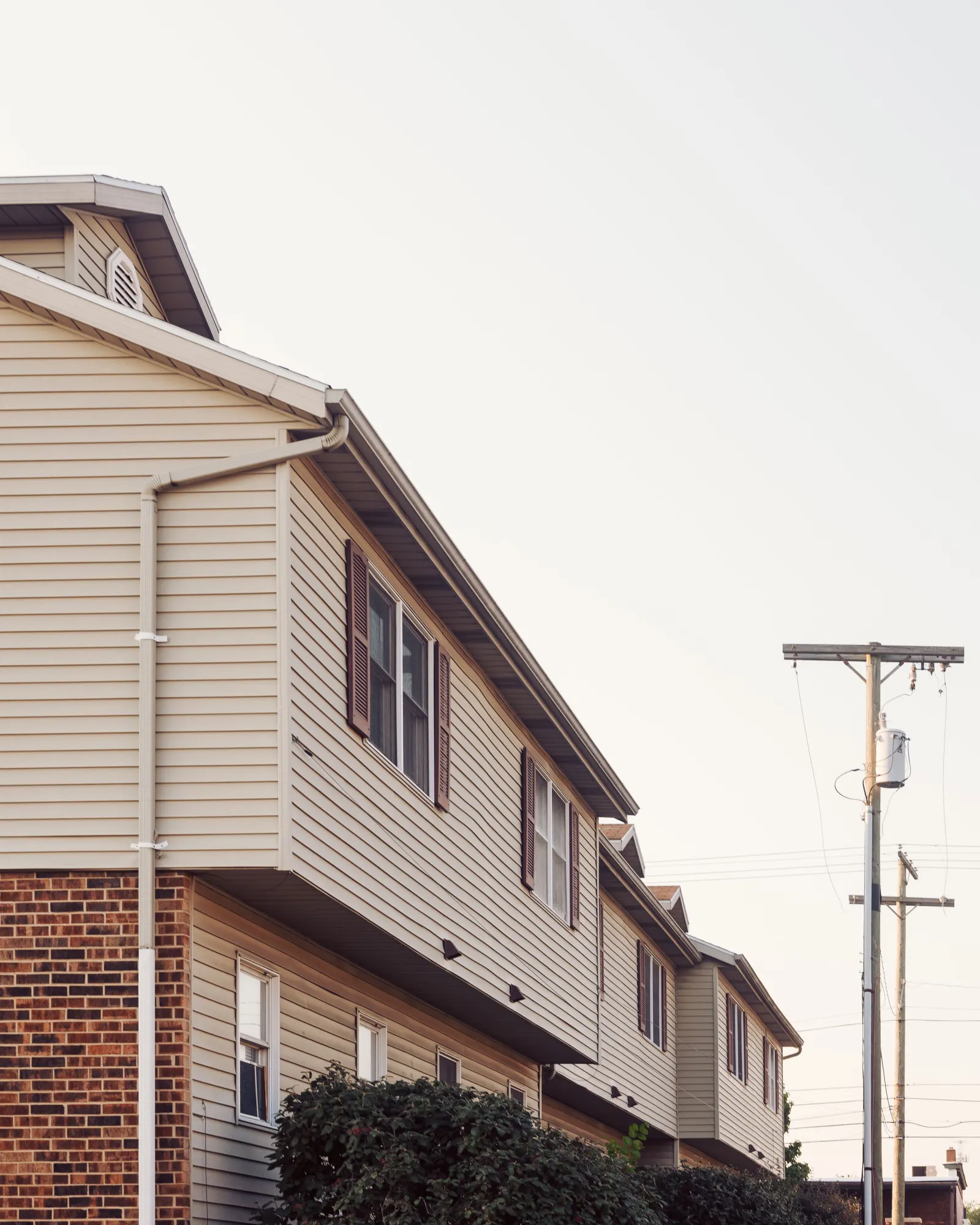
Remuda looks for existing garden-style and townhome-like housing in Western markets where attainable supply is difficult to replace and credible local execution is available.
New construction, entitlement friction, replacement cost, and the realistic competitive pipeline.
Jobs, household formation, affordability, resident retention, and attainable-housing need.
Local operating depth, broker coverage, travel access, neighborhood knowledge, and transaction liquidity.
The rent roll, collections, expenses, debt, physical condition, taxes, insurance, and exit still decide.
04 How ownership stays accountable
The original underwriting case stays connected to execution evidence, operating decisions, and communication through the full ownership lifecycle.
Start inside the approved acquisition box.
Reconcile leases, collections, expenses, comps, condition, and debt.
Define the rent step, unit work, cost, reserve, and stop rule.
Execute locally and compare actual results with the approved case.
Explain performance, misses, risks, and decisions in plain language.
05 The principals
Acquisition discipline, underwriting depth, multifamily finance, and relationship execution stay close to the work.
Cody leads acquisitions, underwriting, and asset strategy. His commercial real estate background spans principal investing, lending, credit analysis, deal structuring, and business-plan execution.
Logan brings national multifamily finance experience, with a focus on small-balance lending, transaction execution, and long-term borrower relationships.
06 The strategy, in plain language
Existing Class B workforce multifamily in the Western U.S., generally garden-style or townhome-like, two stories or lower, and typically priced from $2 million to $5 million.
Current base rents must be meaningfully below supportable market rent after adjusting for unit type, size, condition, recurring charges, and comparable evidence. Remuda generally screens for a 15–20% weighted rent gap.
Through natural-turn unit improvements, leasing and collection discipline, resident experience, vendor accountability, and expense control—not market-wide rent growth or cap-rate compression.
Supply constraint and durable housing demand earn attention, but local execution and property-level underwriting can overrule any market view. Each property must stand on its own economics.
No. This site explains Remuda's strategy, team, and acquisition process. Any future opportunity would be evaluated separately, on its own facts, through appropriate legal materials.
07 Start a conversation
Share the market, price, occupancy, current cash flow, rent evidence, and expected renovation scope. Nothing is collected on this site.
Email Cody Information only. No securities are offered through this website.